
For scientists interested in measurement of surface fluxes Hukx offers radiometers (net radiometers, pyranometers and pyrgeometers) as well as heat flux sensors and ultra-high accuracy soil temperature profile sensors.
Hukx is the market leader in heat flux measurement related to meteorology and Bowen Ratio Systems.
Meteorology and surface energy flux
Hukx makes several sensors used in meteorological systems and networks. We specialize in sensors for measuring:
- solar radiation
- net radiation
- soil heat flux
- soil temperature gradient
- soil thermal conductivity
What we contribute
Hukx company started in 1993 making sensors for measurement of heat flux in soils. In the course of the years, we have added many “special purpose” sensors and systems for other parameters of the surface energy balance. Our soil heat flux sensors and 4-component net-radiometers are popular sensors in meteorological networks.
Since 2007 we started making solar radiation sensors and soon after that added longwave radiation sensors.
Our soil temperature profile sensors and soil thermal conductivity sensor are typical research tools, used in high accuracy “research grade” networks.
Sensors made by Hukx passed validation and acceptance testing for a large number of national meteorological networks. We supply sensors with the highest accuracy in every class at the most attractive price level.
What is measured
Sensors of our pyranometer product line measure solar or "shortwave" radiation. They essentially measure the radiative energy flux onto or through a surface in [W/m²]. The most common parameters that we measure are:
- solar radiation, most commonly measured in horizontal position - Global Horizontal Irradiance, GHI, measured with a pyranometer
- outdoor solar radiation, reflected solar radiation from the soil - measured with a pyranometer facing the ground, also measuring albedo and net radiation, when combined with GHI.
Sensors of our pyrgeometer product line measure far infra red “longwave” radiation. The most common parameters that we measure are:
- downwelling longwave radiation
- upwelling solar radiation
These 4 measurements combined are used to calculate the net-radiation.
HFP01 heat flux plate and its self-calibrating equivalent HFP01SC are the de-facto standards for soil heat flux measurement. In high-accuracy flux measurement a typical station is equipped with two or more sensors for good spatial averaging.
STP01 soil temperature profile sensor offers highly accurate temperature gradient measurement, including a reliable fixed distance between five measurement points at 2, 5, 10, 20 and 50 x 10⁻² m below the soil surface.
TP01 is a simple, robust sensor to measure soil thermal conductivity. In combination with STP01 and HFP01SC it offers a redundant measurement and allows users to verify the measurement accuracy of soil heat flux. In addition, TP01’s capability to perform a crude measurement of soil thermal diffusivity offers an independent possibility to verify performance of soil moisture content sensors.
Specifications
Pyranometers, pyrgeometers, net radiation sensors and heat flux sensors manufactured by Hukx are optimized for the demands of different applications. Unique features are:
- heated pyrgeometers offer much increased data availability of the net radiation measurement
- self-calibrating heat flux sensors, as opposed to conventional sensors, work at a higher level of quality assurance and accuracy.
- we offer various accessories for mounting, such as brackets
- pyranometers are offered in various accuracy classes, with many output options
Selecting a set of sensors
We can assist you in selecting a suitable sensor. A typical checklist is:
- what is the application; what must be measured
- are there any standards that you must follow
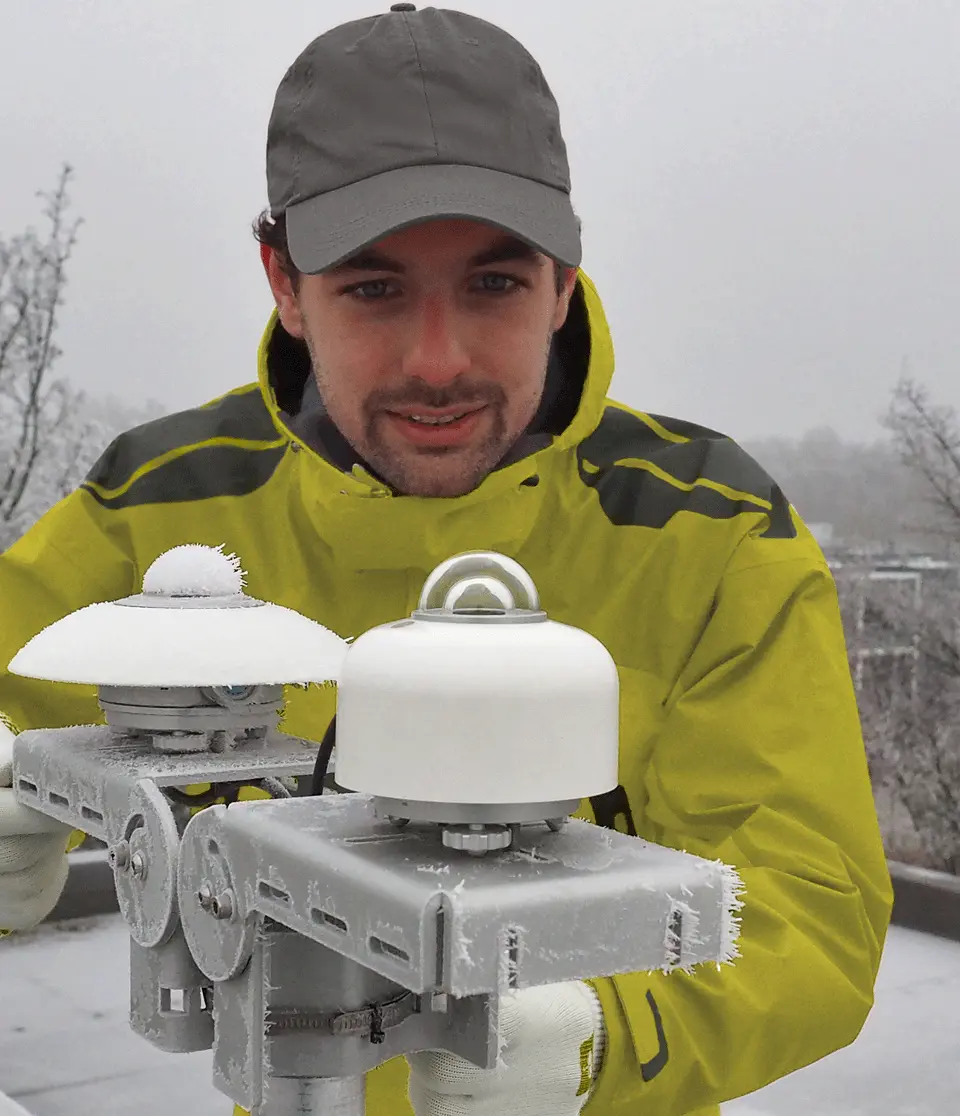
- any special environmental conditions like expected dew, frost, snow, dust
- is spatial variability an issue; do I need to employ multiple sensors per station
- what are the accuracy requirements
- how do I organize re-calibration
- what power is available
- how can I mount instruments
- will instruments be regularly cleaned? If not, then purchasing a high accuracy instrument may be less useful.
- what data acquisition do I have, can it measure in the millivolt range; if not what kind of input can it accept?
- what other things must be measured; usually it is best to use one measurement system performing all measurements
Advantages
Depending on the application, we offer:
- assistance - select the best sensor for your application
- assistance - optimizing the sensor – measuring system combination, also looking at the total system (our users often measure more than just radiation)
- worldwide support – specialists available in the major economies
- calibration support – efficient worldwide calibration organization
- proven performance – we have experience in most applications
- traceability - formal metrological traceability to international standards
Related products
Related application notes
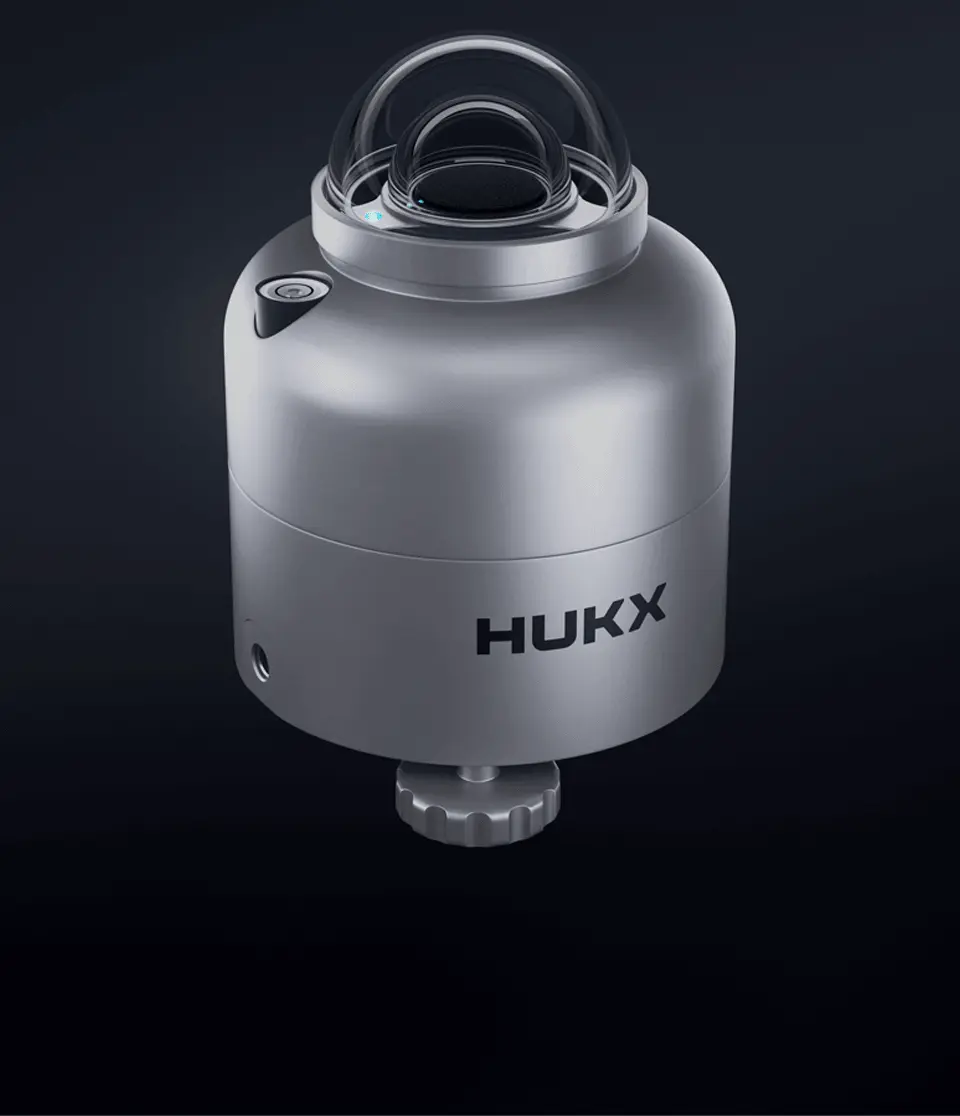
Legacy register map compatibility layer for industrial-grade instruments
Compatibility layer enabling industrial-grade pyranometers to emulate the Modbus register map of legacy instruments
Pyranometer selection guide
How to choose the best sensor for your application
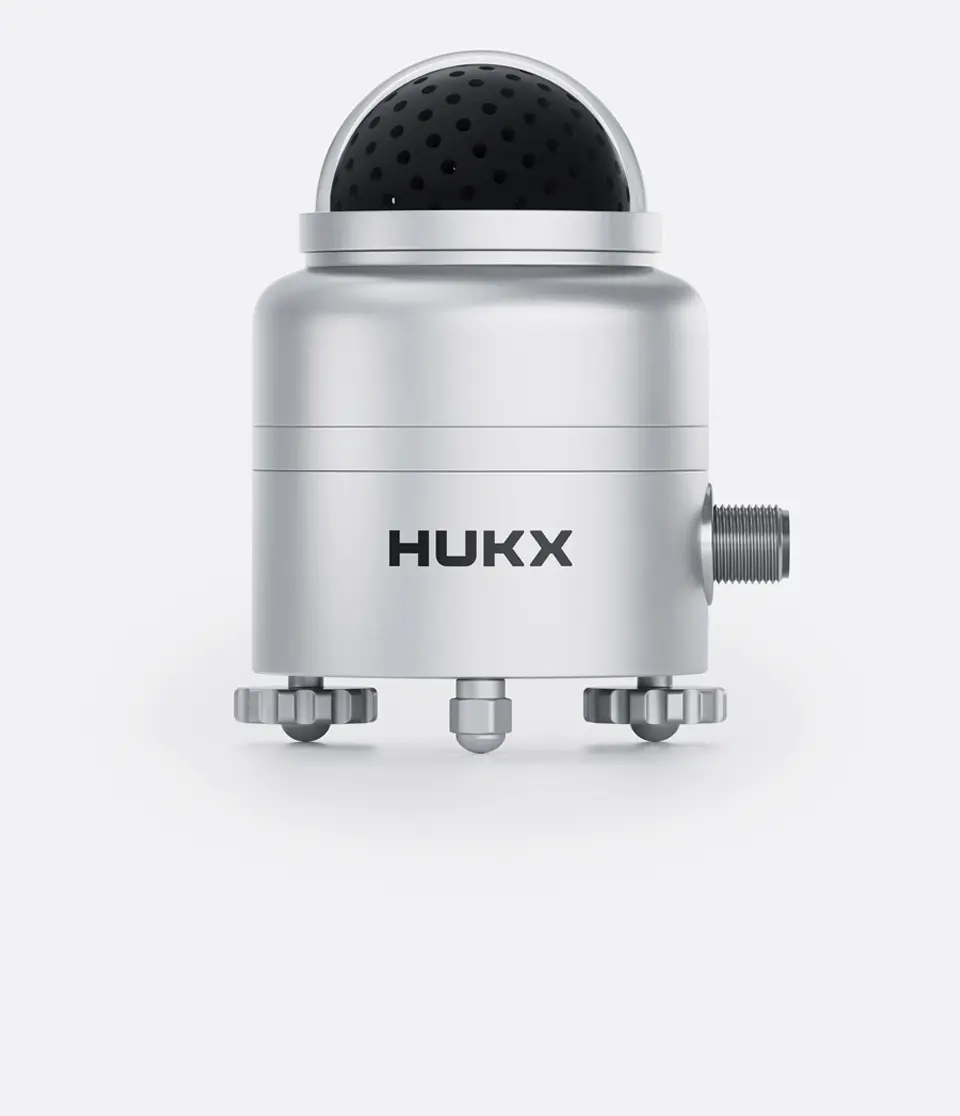
What is a diffusometer?
A quick introduction to diffusometer basics
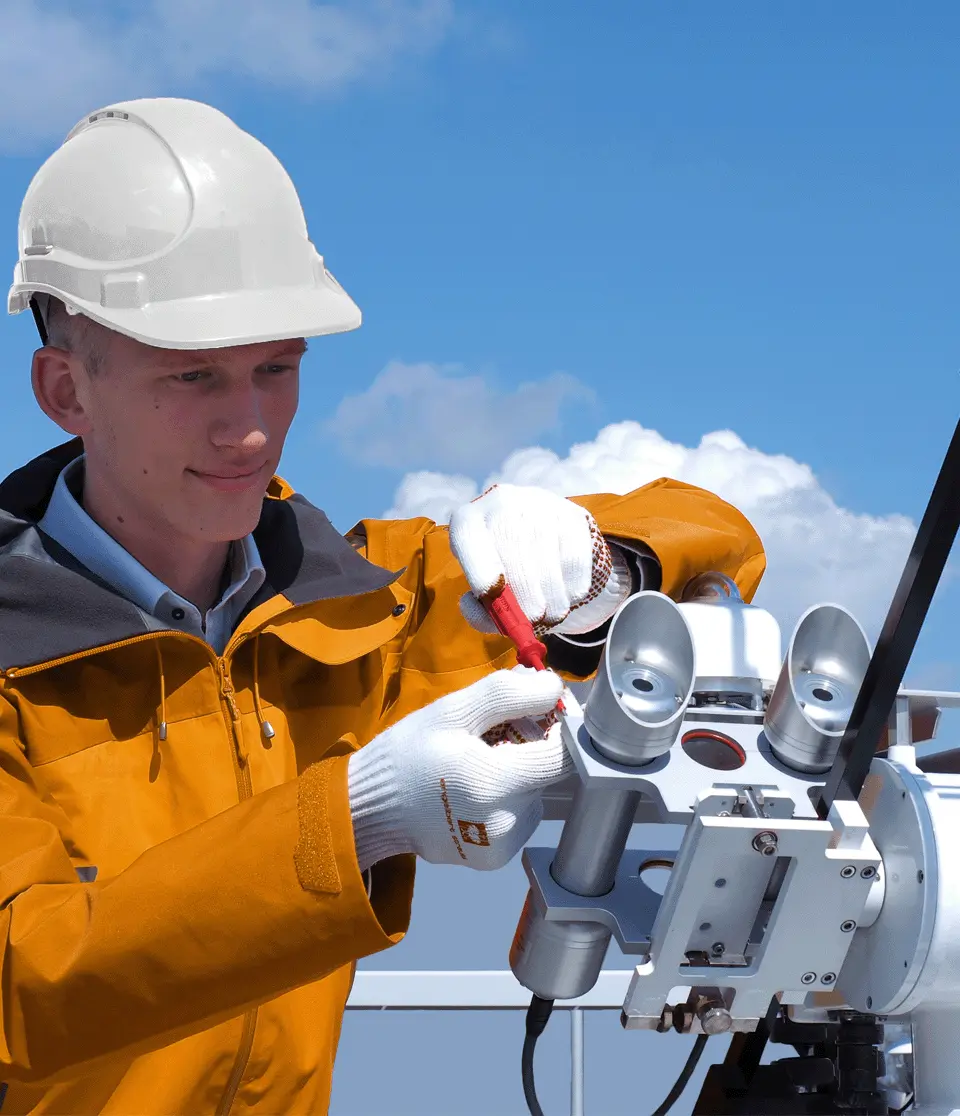
What is a pyrheliometer?
A quick introduction to pyrheliometer basics
Environmental impact of SR30
Compared with externally ventilated pyranometers
Solar radiation calibration scale change
WRR solar irradiance scale is expected to go down
SR30:
Solar measurement in cold climates
Measuring albedo of finite samples
Tips and tricks to get the most out of your albedometer measurement
How to measure solar radiation
Measuring solar radiation, the right way
What is a pyranometer?
Read more about what a pyranometer is
The new ISO 9060: 2018 standard
Do your pyranometers comply?
What to do against frost and dew
Quality Control for pyranometer data
What are pyranometer offsets?
Answers to basic questions about zero offsets in pyranometer signals
Pyranometer physics:
Why two domes?
Why heat pyranometers
Improve data availability and reduce zero offset errors
IR20: The making of
A research grade pyrgeometer setting new standards
Surface energy balance measurement
State-of-the-art sensors for the global meteorological/fluxnet community

We like having a good technical conversation
Do you have questions, need help finding the right solution, or looking to discuss an instrument for a unique application? Our technical engineers provide expert advise. Contact us now!