
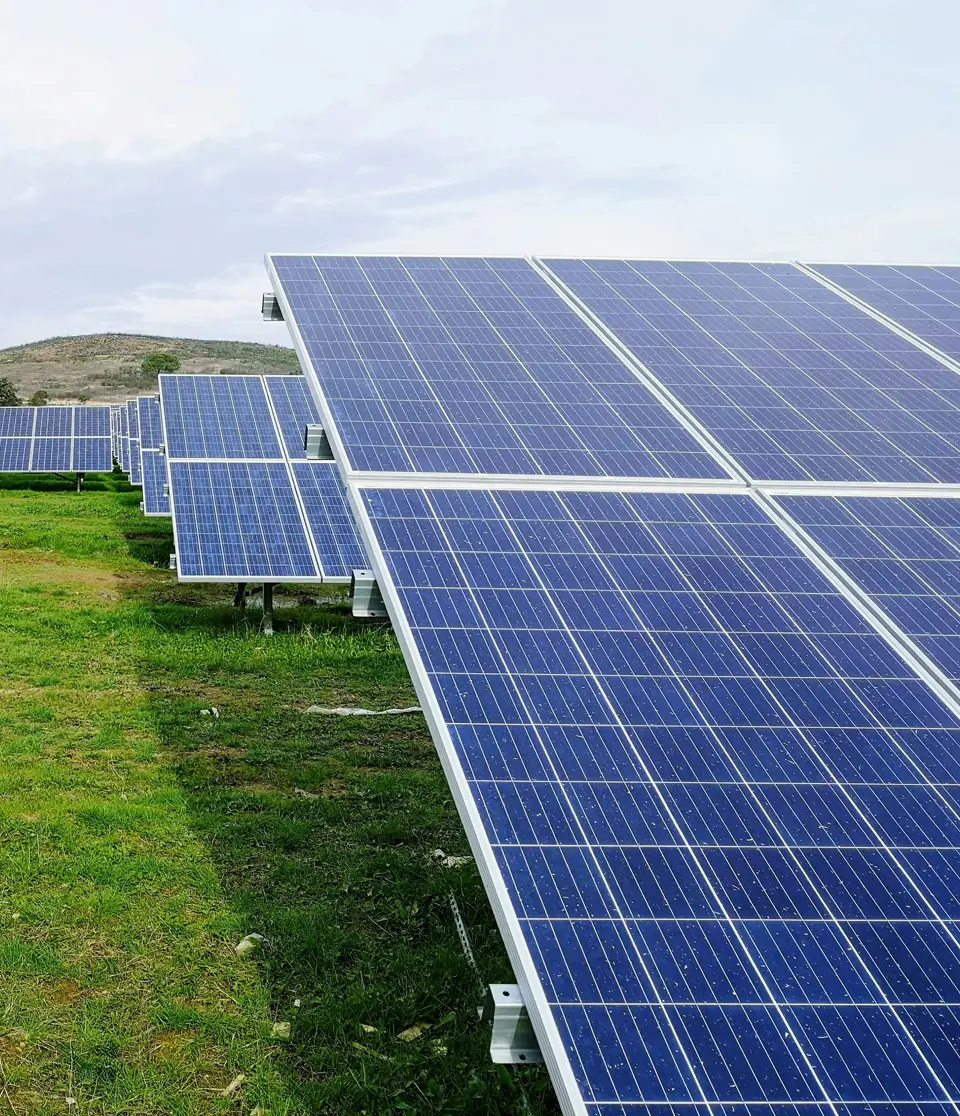
The world is increasingly relying on solar energy to meet its growing sustainable power demand. At Hukx, we are proud to be the market leader in solar radiation sensors, which are ideal for assessing PV system performance. Our instruments are trusted by professionals worldwide and comply with IEC standards for PV system monitoring. With our technology, PV system owners monitor asset performance and unlock a range of operational, technical, and financial benefits.
Our solar radiation sensors
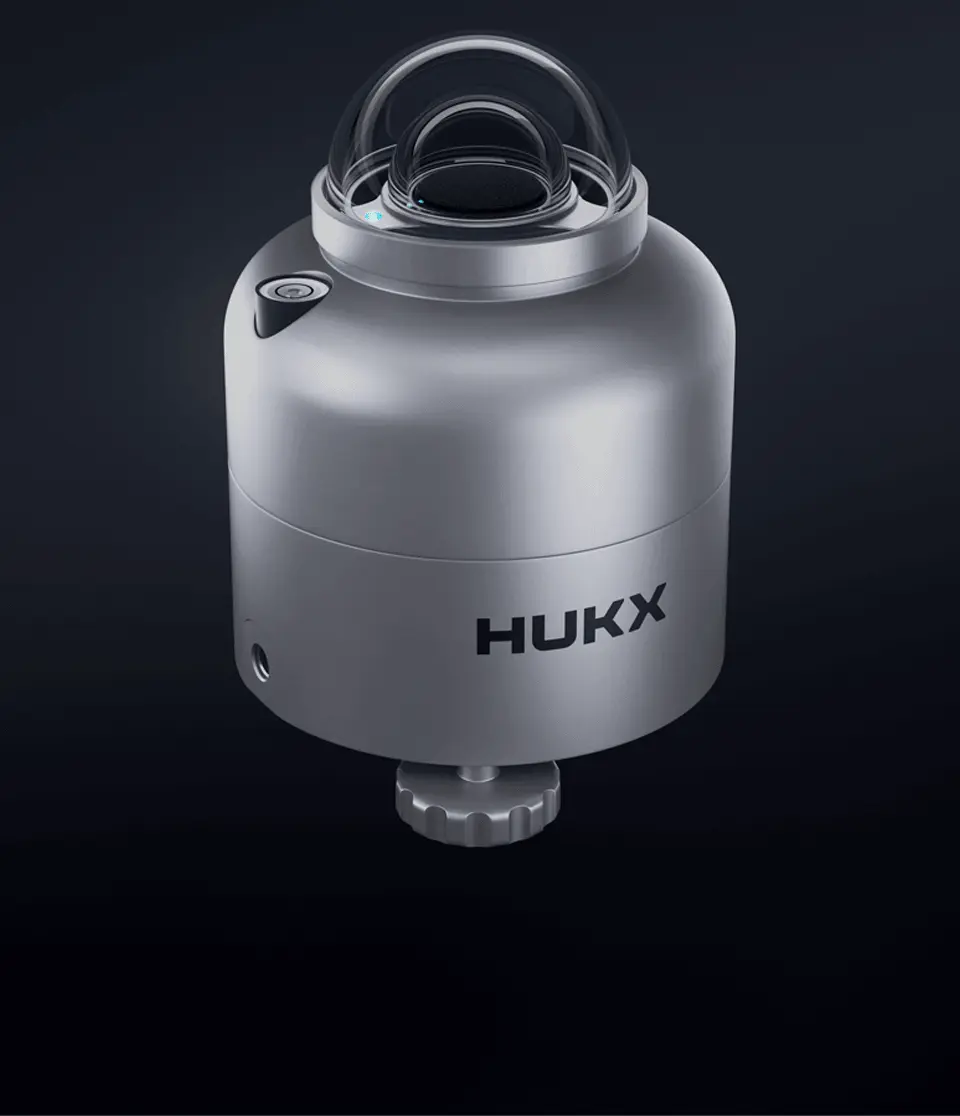
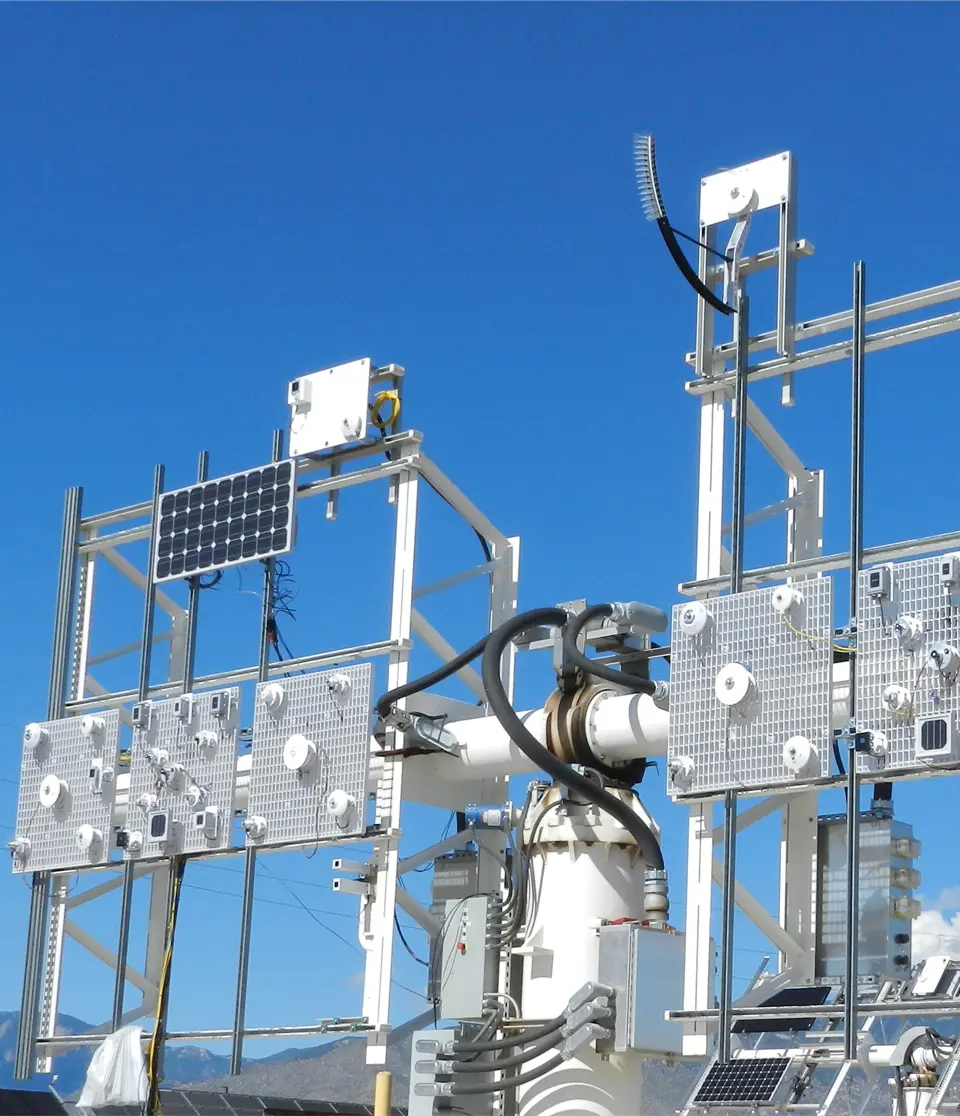
At Hukx, we supply a range of different sensors for solar radiation. These sensors measure the radiative energy flux onto or through a surface in [W/m2]. We have different sensors suitable for PV monitoring. Each sensor isolates or combines different components of the sun’s radiation:
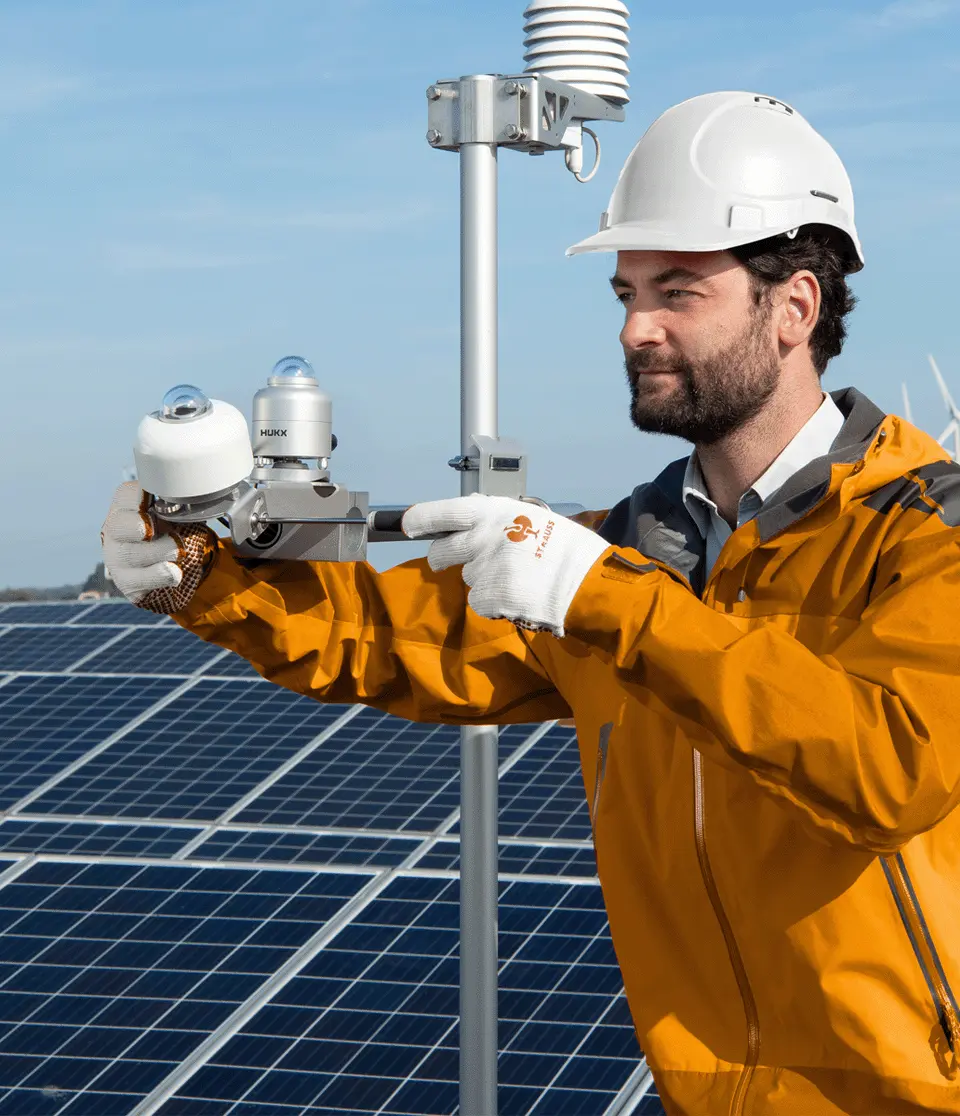
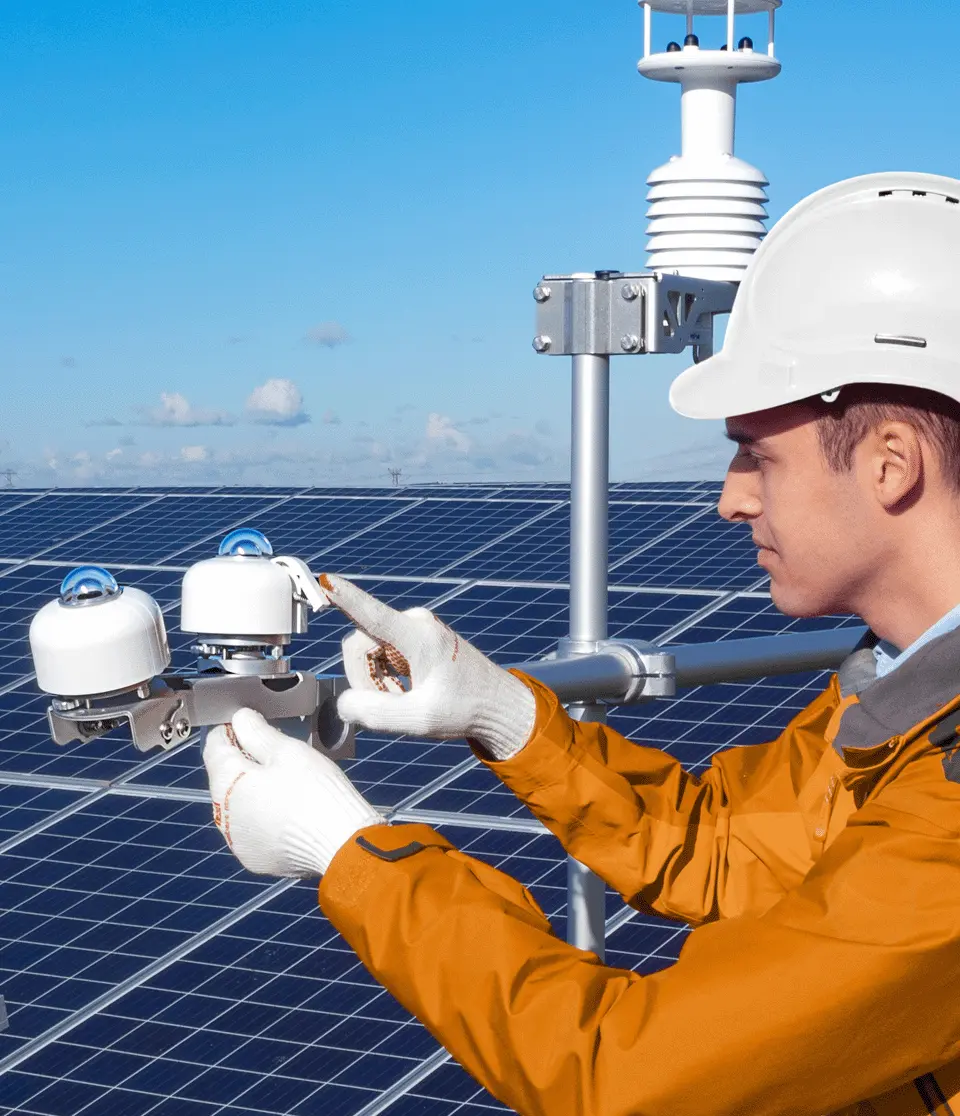
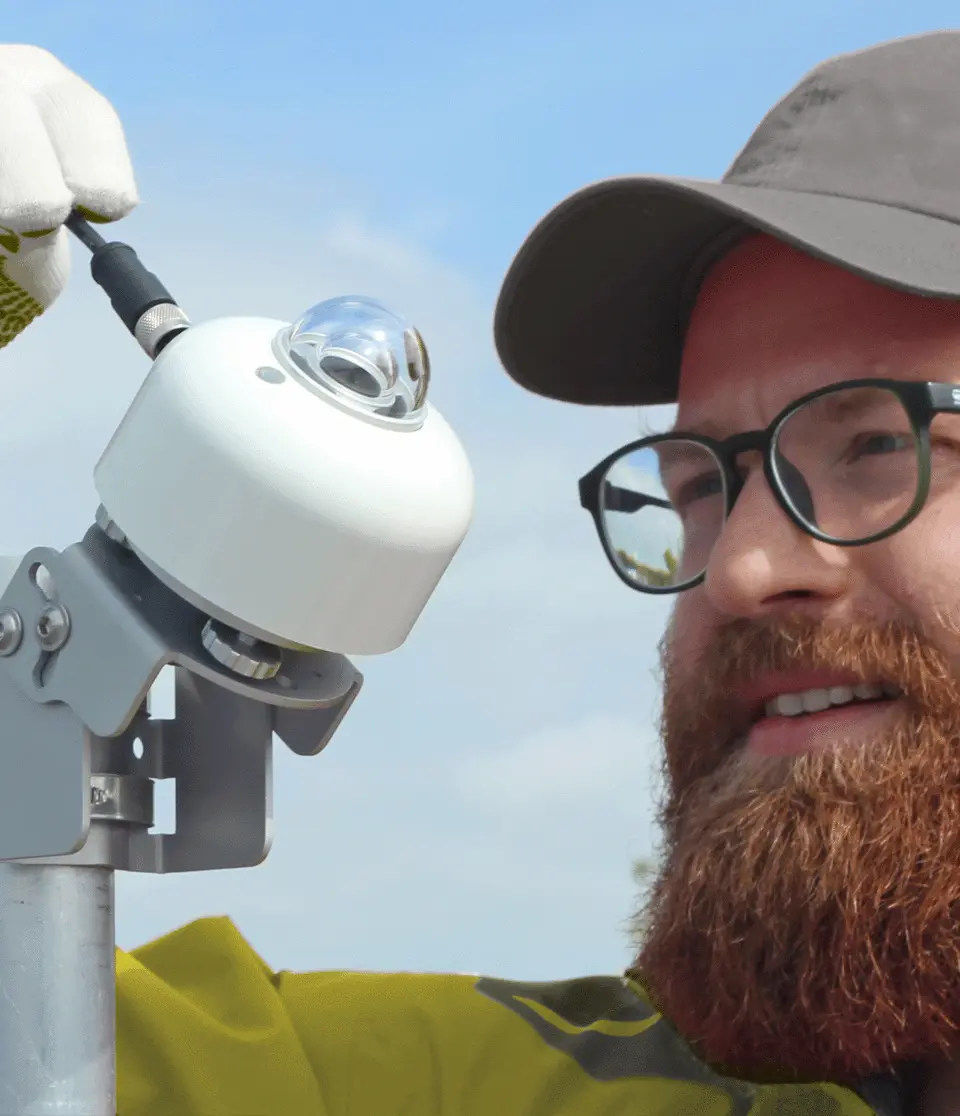
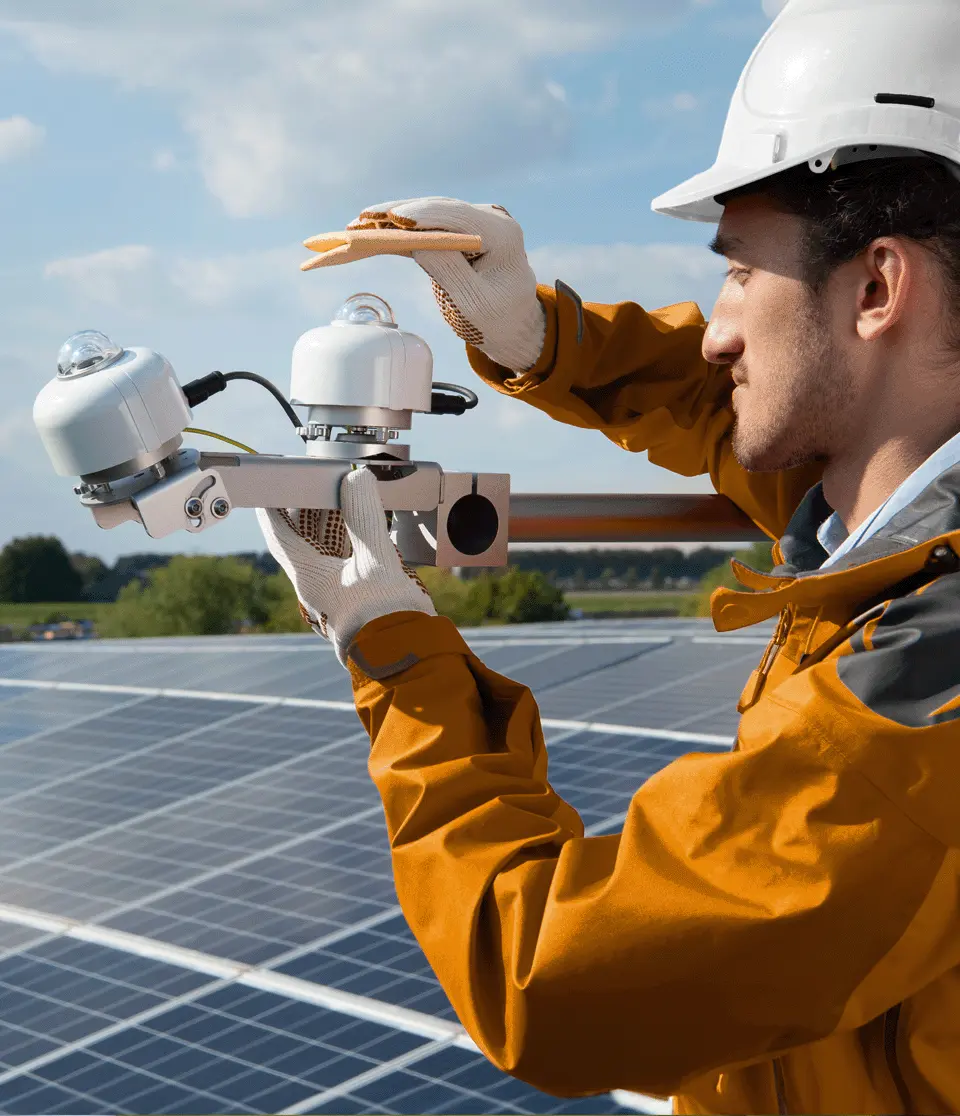
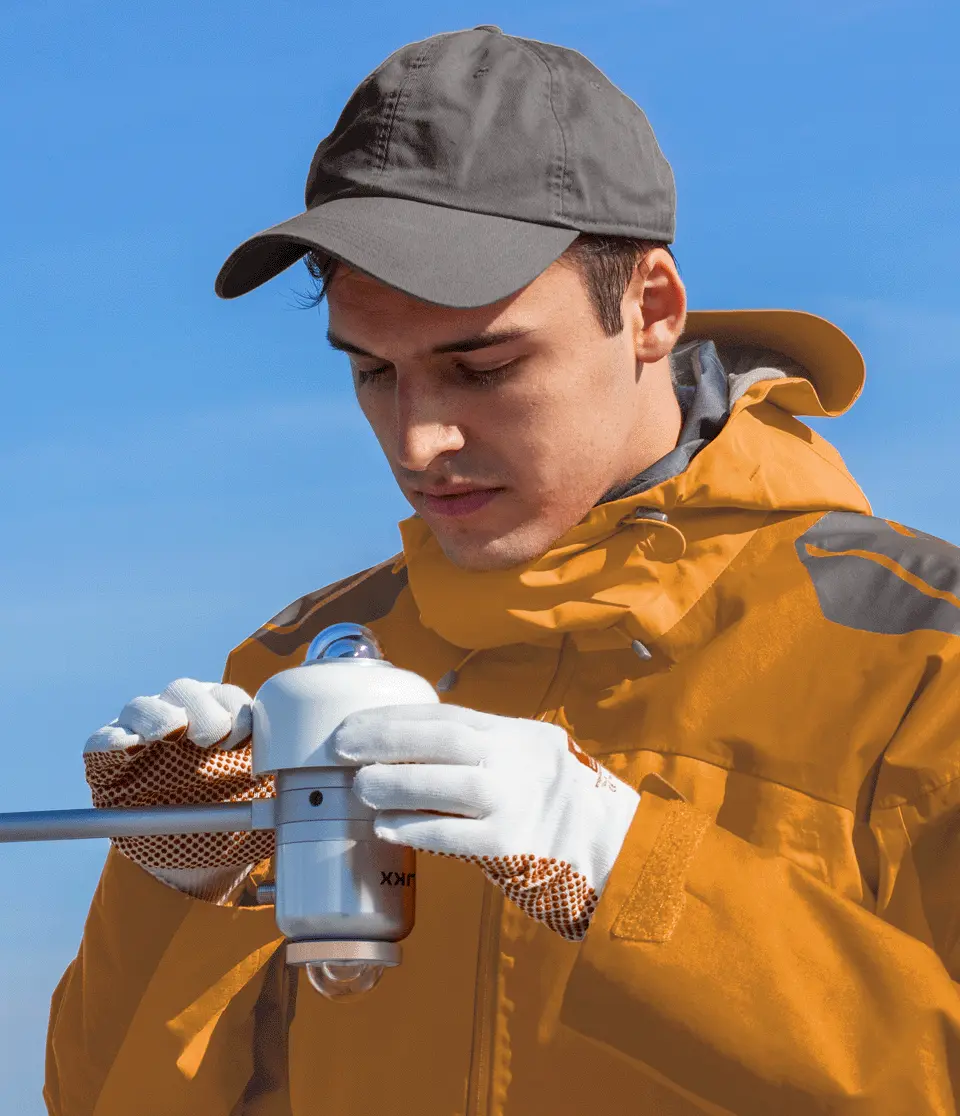
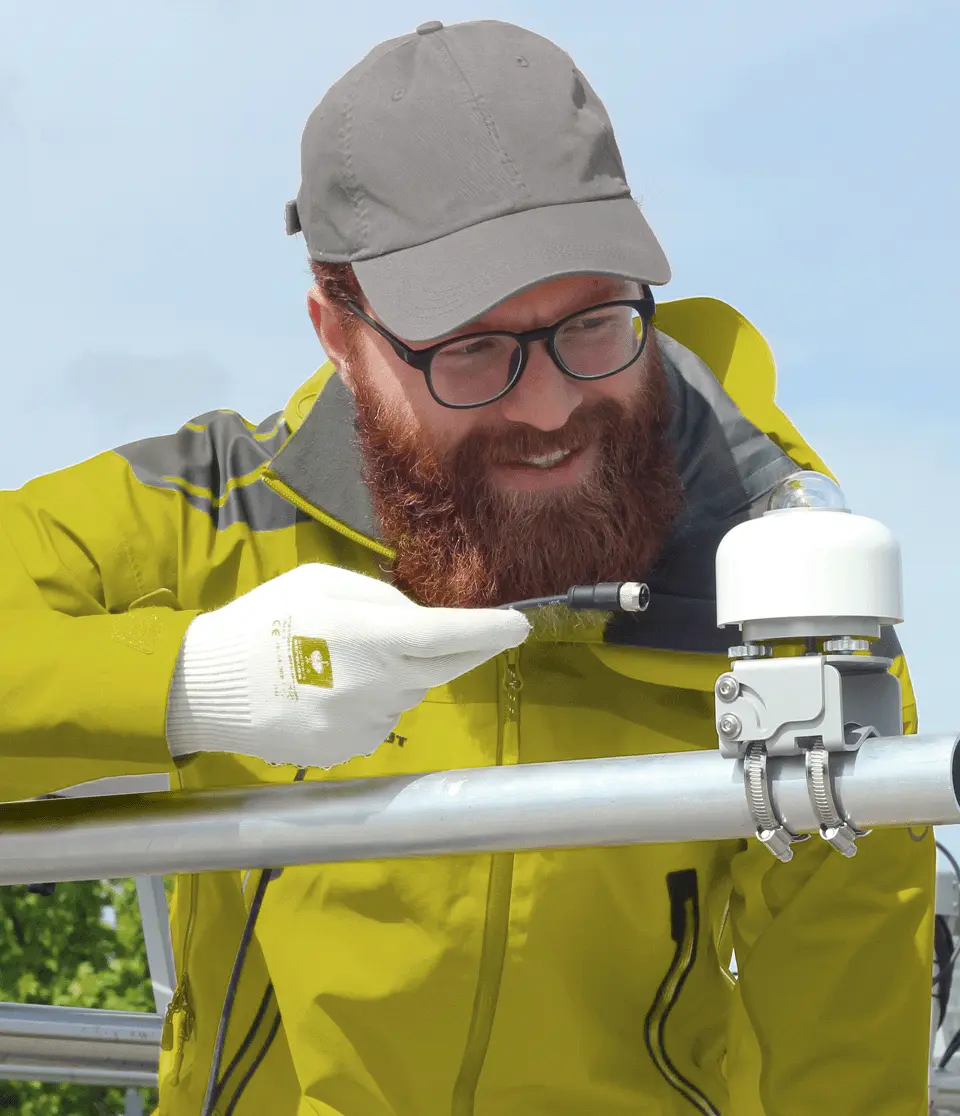
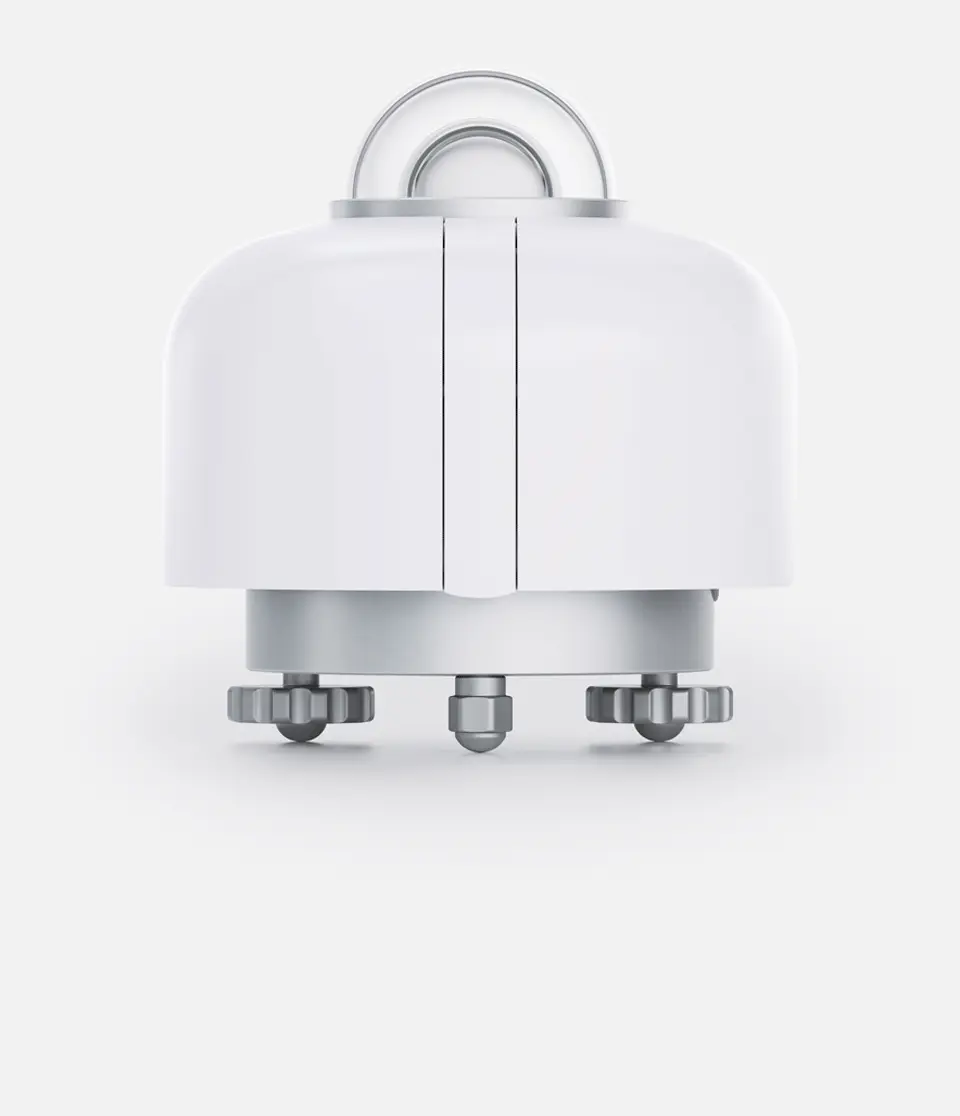
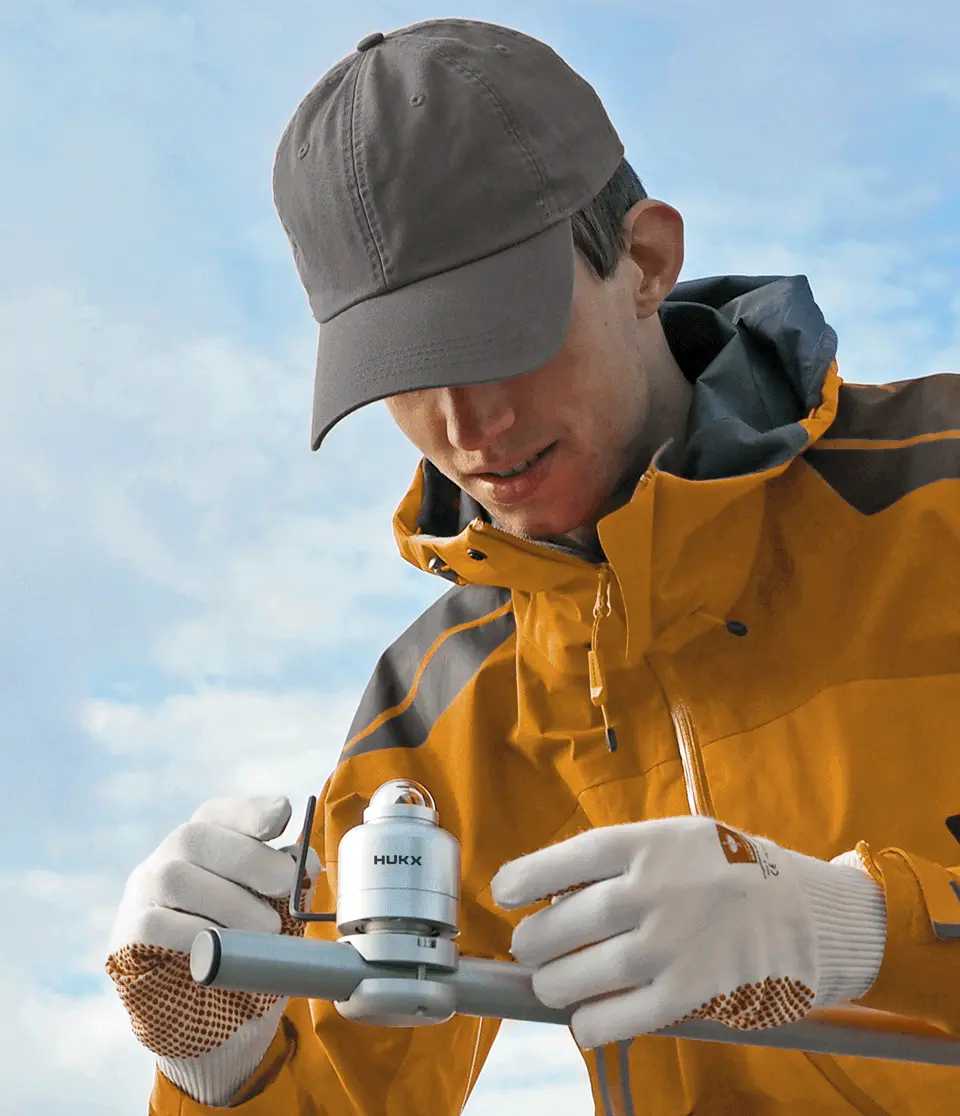
- Pyranometers: Our best-sellers, designed to measure hemispherical solar radiation. This quantity is commonly measured in horizontal position (global horizontal irradiance/GHI). The sensor can also be mounted in the plane of array (POA) next to PV panels, to measure POA irradiance.
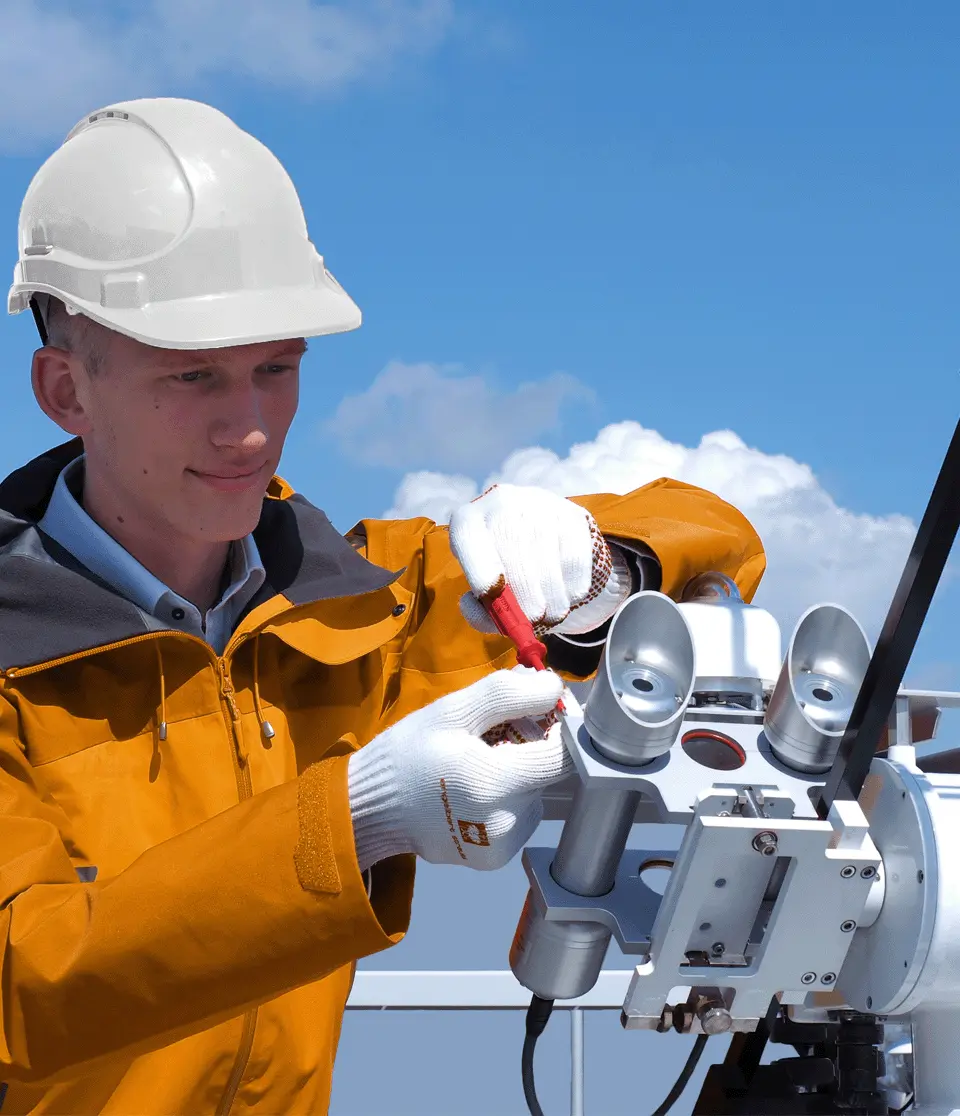
- Pyrheliometers: These sensors are designed to measure direct (normal incidence) solar radiation (DNI). They are usually mounted on a sun-tracker to keep the instrument aimed at the sun.
- Diffusometer: This instrument is designed to measure diffuse radiation (DHI). When combined with a pyranometer to measure GHI, you can calculate the DNI.
Our pyranometers and pyrheliometers use thermopile sensors to convert thermal energy into an electrical signal. Our diffusometer uses photodiode sensors to convert light into an electrical signal. PV system owners worldwide rely on our technology to assess the performance of their assets.
Monitoring PV systems
Monitoring only the energy output of a PV system just gives one side of the story. Solar radiation measurements provide valuable insight into the system’s long- and short-term performance in different areas:
- Optimizing energy yield: Knowledge of the solar conditions at the PV system’s location can help identify issues due to shading, soiling or component degradation.
- Failure detection: By monitoring the solar radiation, users can set a performance baseline for their PV systems and detect failures when this baseline is not met.
- Operational efficiency: Comparing the solar radiation conditions with PV performance is very important for quality assurance purposes. Radiation measurements also support the planning of cleaning and service schedules.
- Financial decision-making: Using solar radiation measurements, estimates can be made of the asset’s energy output and resulting revenue. These measurements can also be used to monitor the asset’s depreciation across its life cycle.
- Forecasting: Continuous assessment of the Performance Ratio, PR, of a solar power plant makes it possible to better forecast produced power.
Using solar radiation measurements to assess the performance of a PV system is considered as best practice. Hukx offers different types of sensors to provide a comprehensive view.
Sensor selection
Hukx offers a broad range of sensors, including pyranometers, pyrheliometers, and diffusometers. The ideal sensor for your application depends on several factors:
- Accuracy: Our sensors adhere to different ISO 9060 standards. Pyranometers range from Class A to Class C, and pyrheliometers are available with Class A and Class B ratings.
- Expected measuring conditions: Special environmental factors such as dew, frost, snow, and dust should be taken into account when selecting a sensor. At Hukx, we offer sensors with integrated heating to ensure accurate measurement in all conditions.
- Desired output: We offer sensors with both digital and analog output.
Advantages
Choosing Hukx sensors means investing in bankable solar radiation data. We offer many other advantages including:
- Proven expertise: At Hukx, we have been developing solar radiation sensors since 1993. Over the years, we have expanded our product lines and have established ourselves as both the technology and market leader.
- Worldwide support: Hukx has specialists available in every major economy.
- Calibration support: We have a worldwide calibration network, reducing the need for cross-border transport.
- Compliance with standards: Our solar radiation sensors comply with industry standards such as IEC 61724 and ISO 9060.
- Lowest total cost of ownership: Our global network helps you calibrate and repair instruments at the industry's best cost level.
Related products
Related application notes
Legacy register map compatibility layer for industrial-grade instruments
Compatibility layer enabling industrial-grade pyranometers to emulate the Modbus register map of legacy instruments
Independent test confirms SR30 accuracy
NREL’s BORCAL and SSRL BMS data confirm that Hukx SR30 outperforms competition
Independent pyranometer test
Independent testing confirms good performance of Hukx pyranometers
ISO 9060 pyranometer classification
How the ISO 9060 standard impacts solar radiation measurement in PV monitoring and meteorological applications
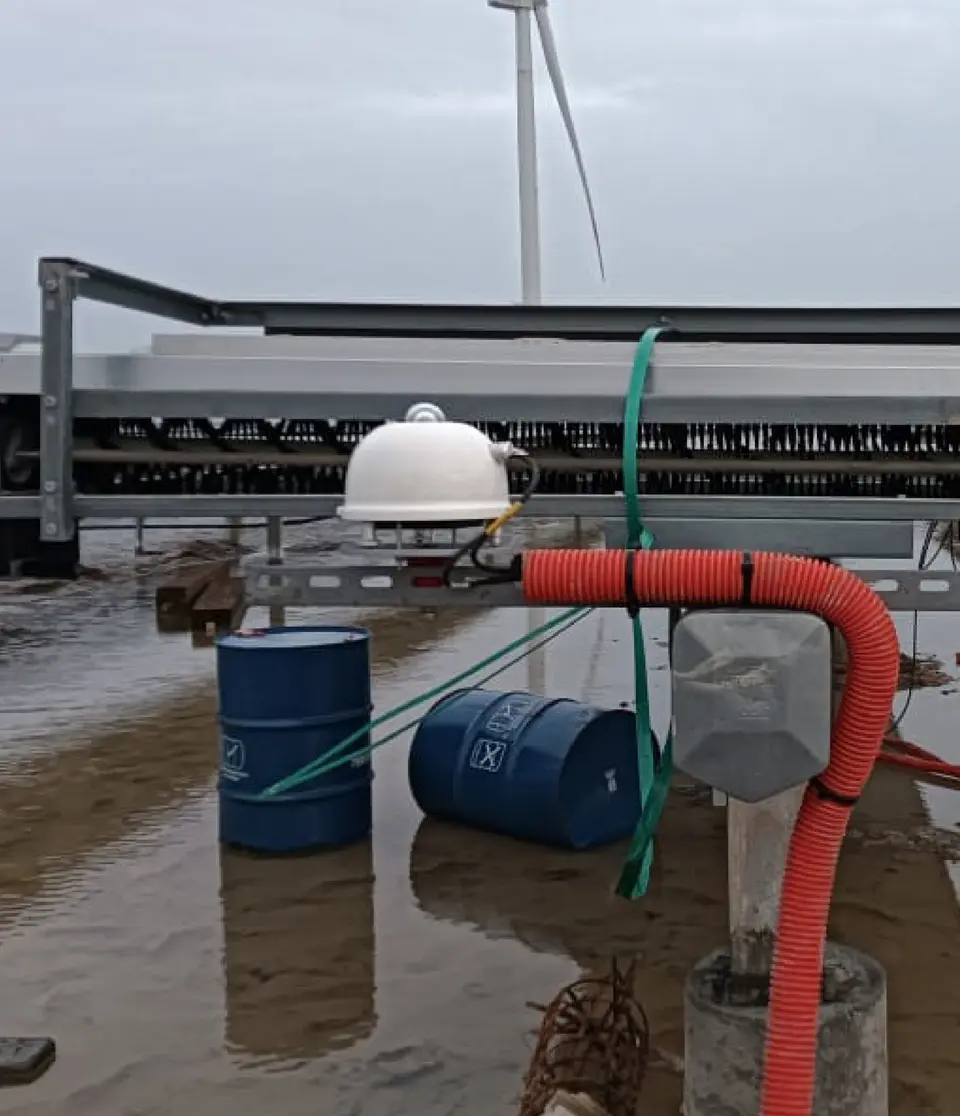
Hukx pyranometers in corrosive, salty and marine environments
Hukx pyranometers are used all over the globe. Although not formally specified for corrosive salty or marine environments, they are successfully employed there.
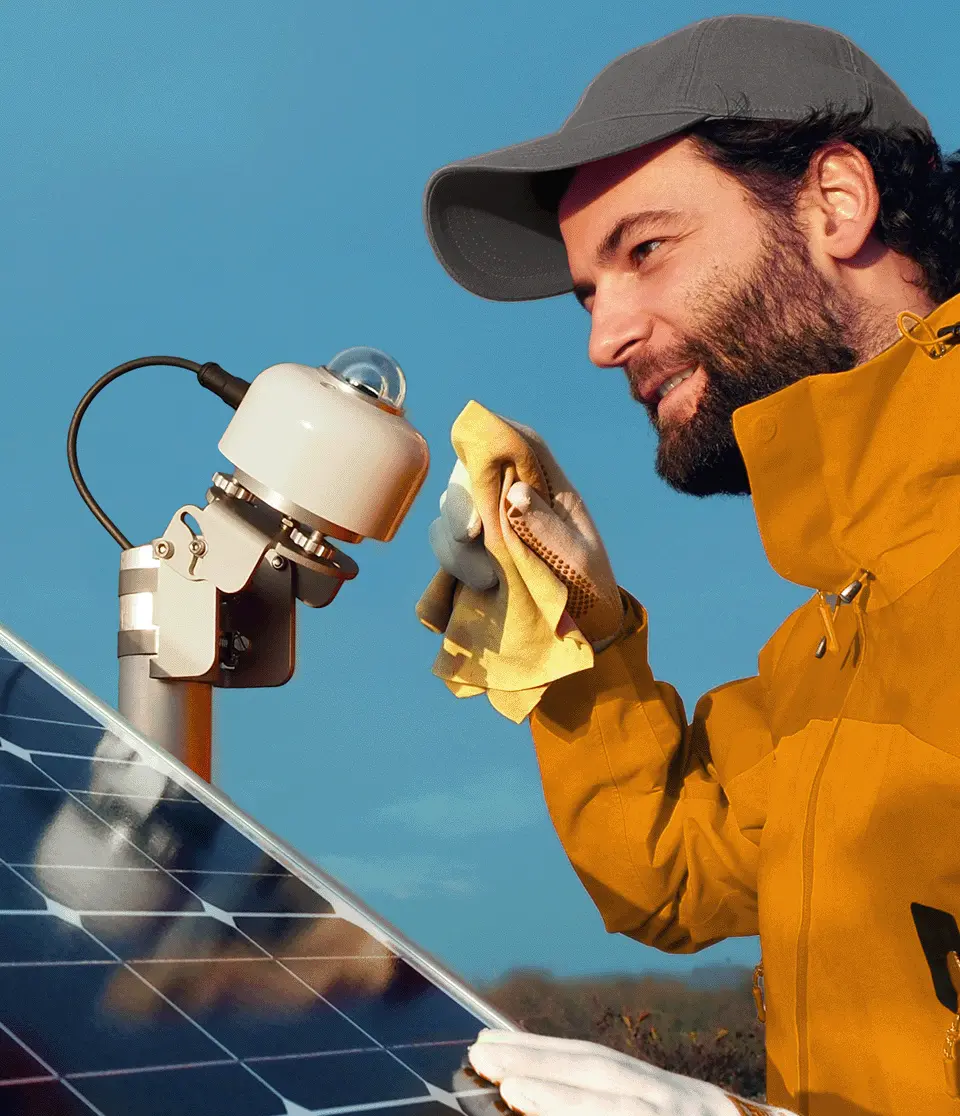
What is a pyranometer?
Read more about what a pyranometer is
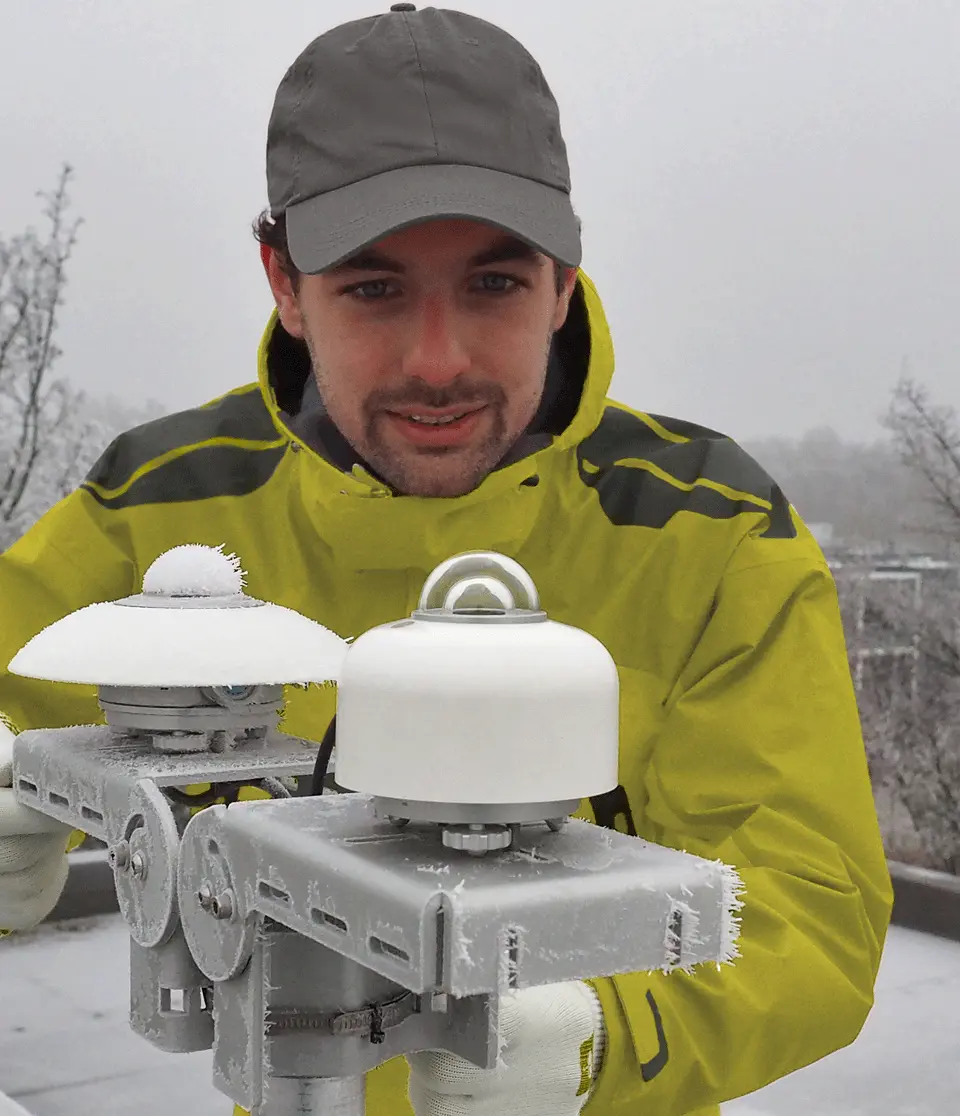
Pyranometer selection guide
How to choose the best sensor for your application
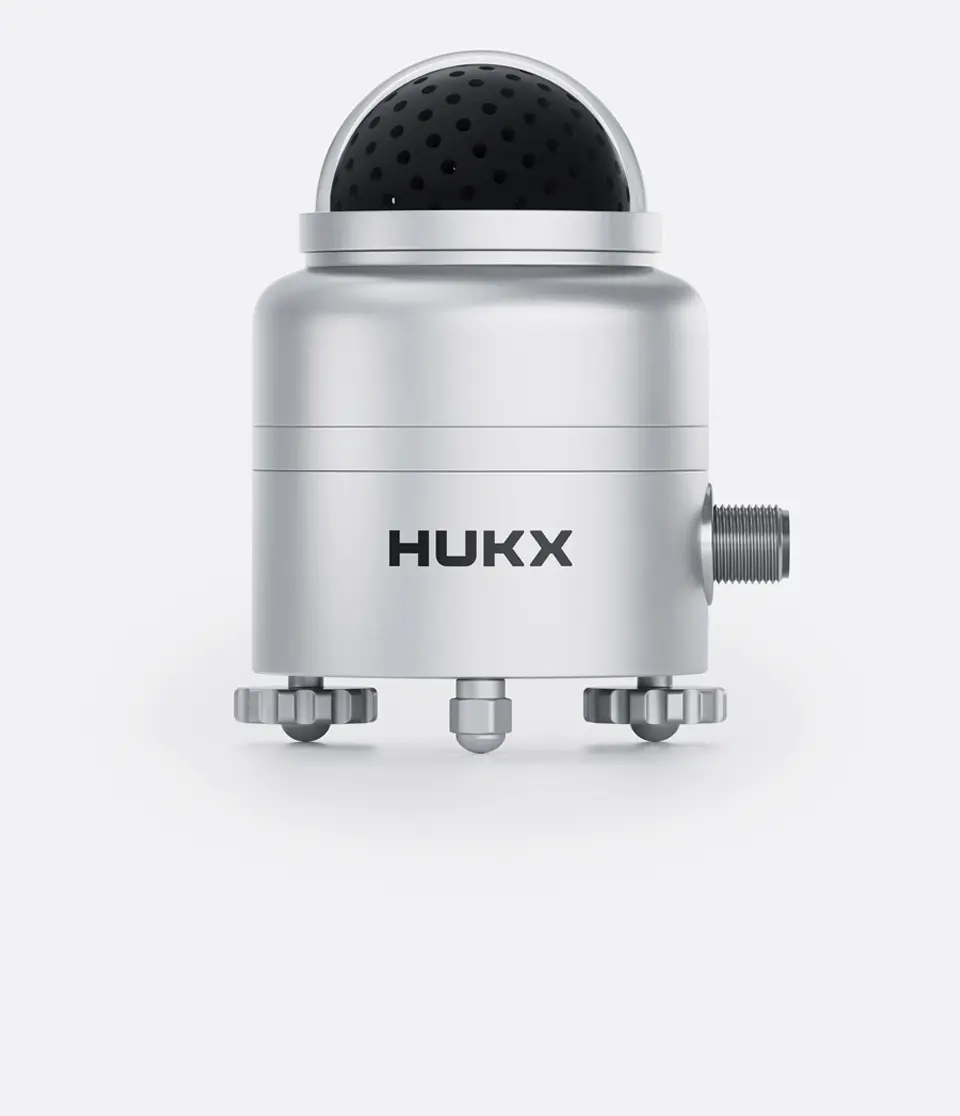
What is a diffusometer?
A quick introduction to diffusometer basics
Utility-scale PV system valuation: financial audit checklist
PV monitoring in compliance with IEC 61724 standard “Class A” enables financial auditors and owners to claim the highest possible value of assets
What is a pyrheliometer?
A quick introduction to pyrheliometer basics
How many monitoring stations for utility-scale PV power plants?
IEC 61724-1:2021 suggests a low number of stations. Interviews with worldwide Hukx users reveal a different story.
Environmental impact of SR30
Compared with externally ventilated pyranometers
Solar radiation calibration scale change
WRR solar irradiance scale is expected to go down
The IEC 61724-1:2021 standard for PV monitoring systems:
A quick explanation
Sensor (pyranometer) calibration services
All brands, for PV system asset management
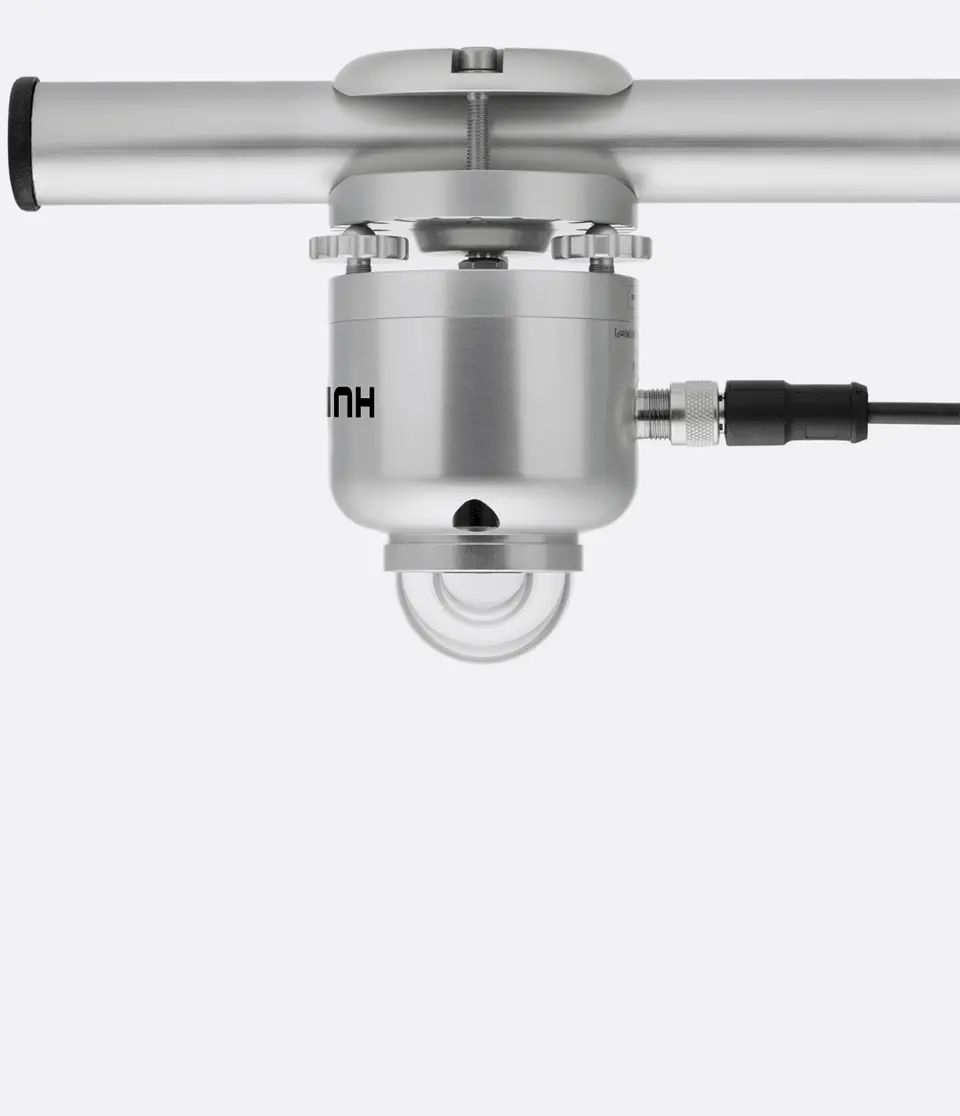
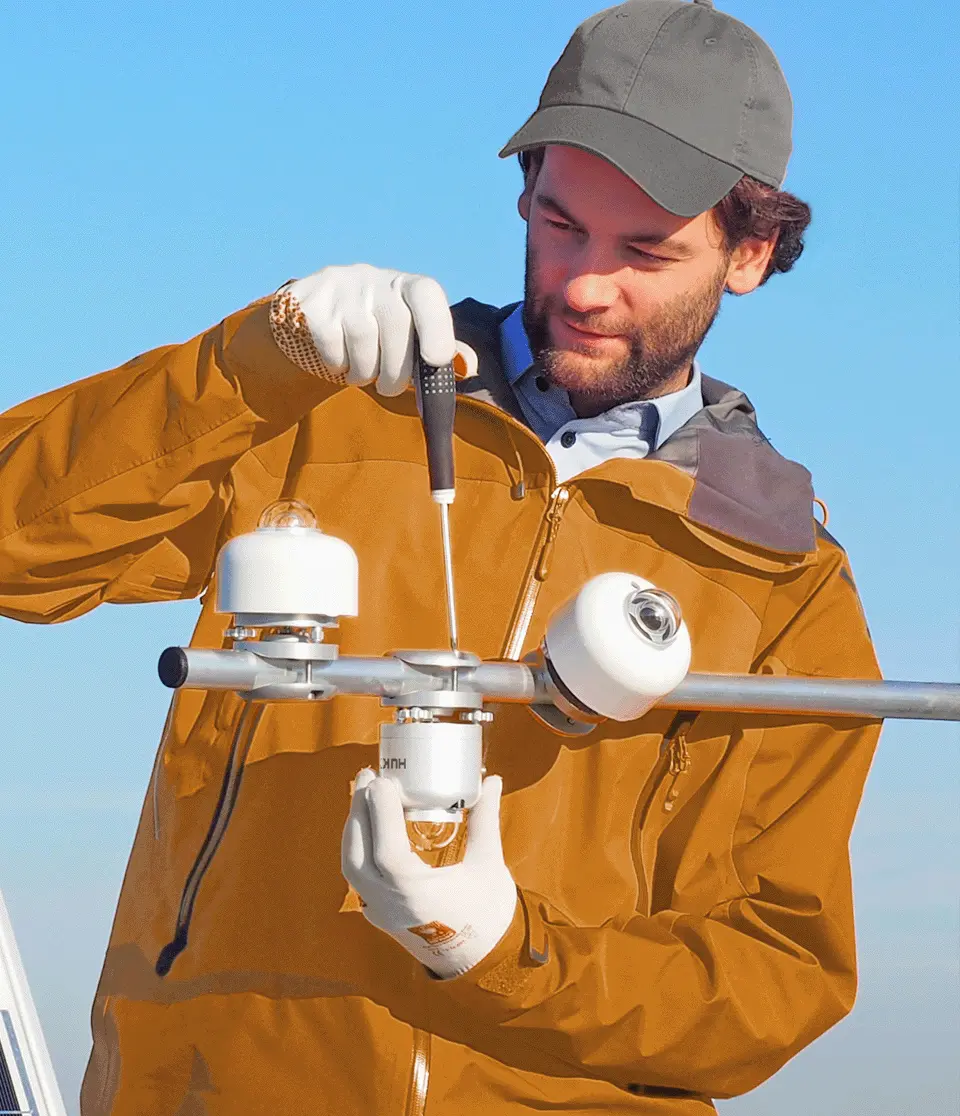
How to measure albedo for bifacial PV
Hukx is the market leader in albedometers for bifacial PV system performance monitoring.
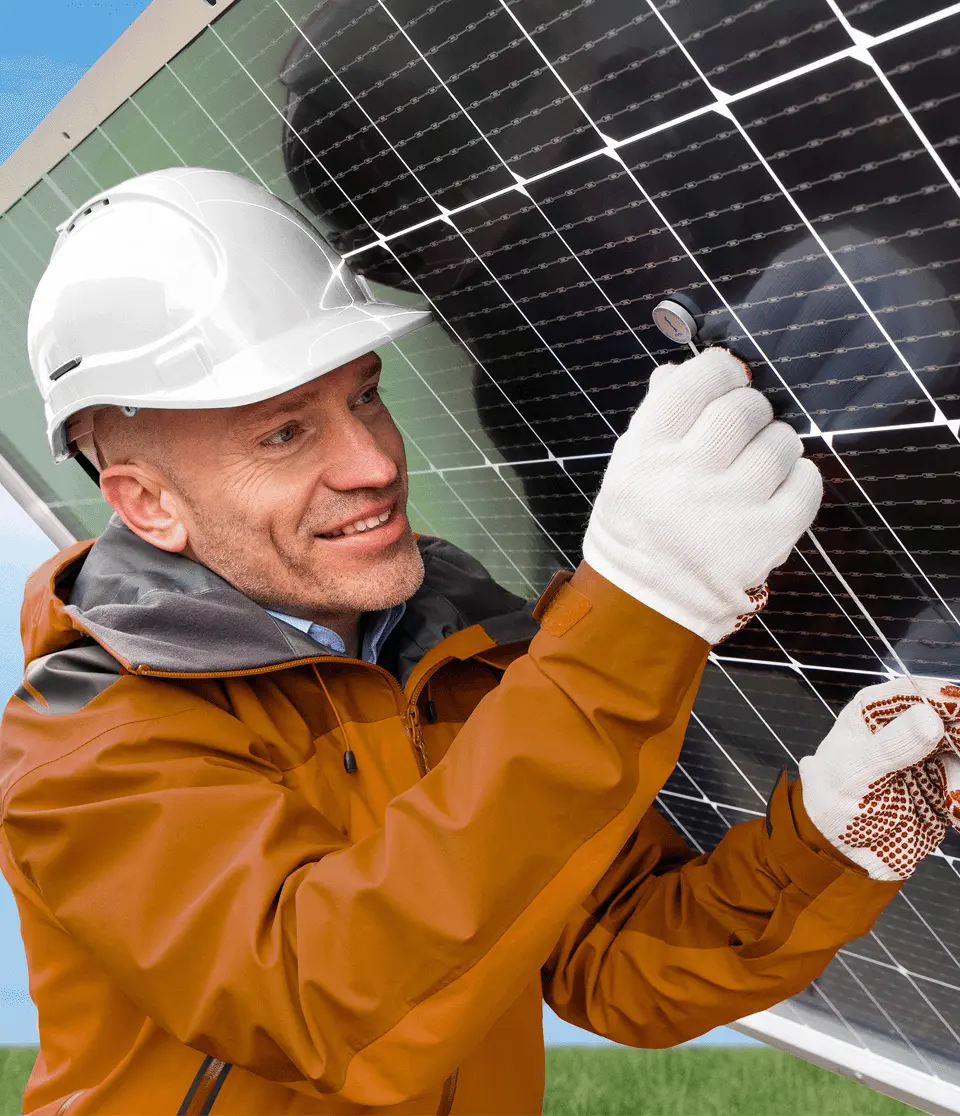
How to calculate
PV performance ratio and performance index
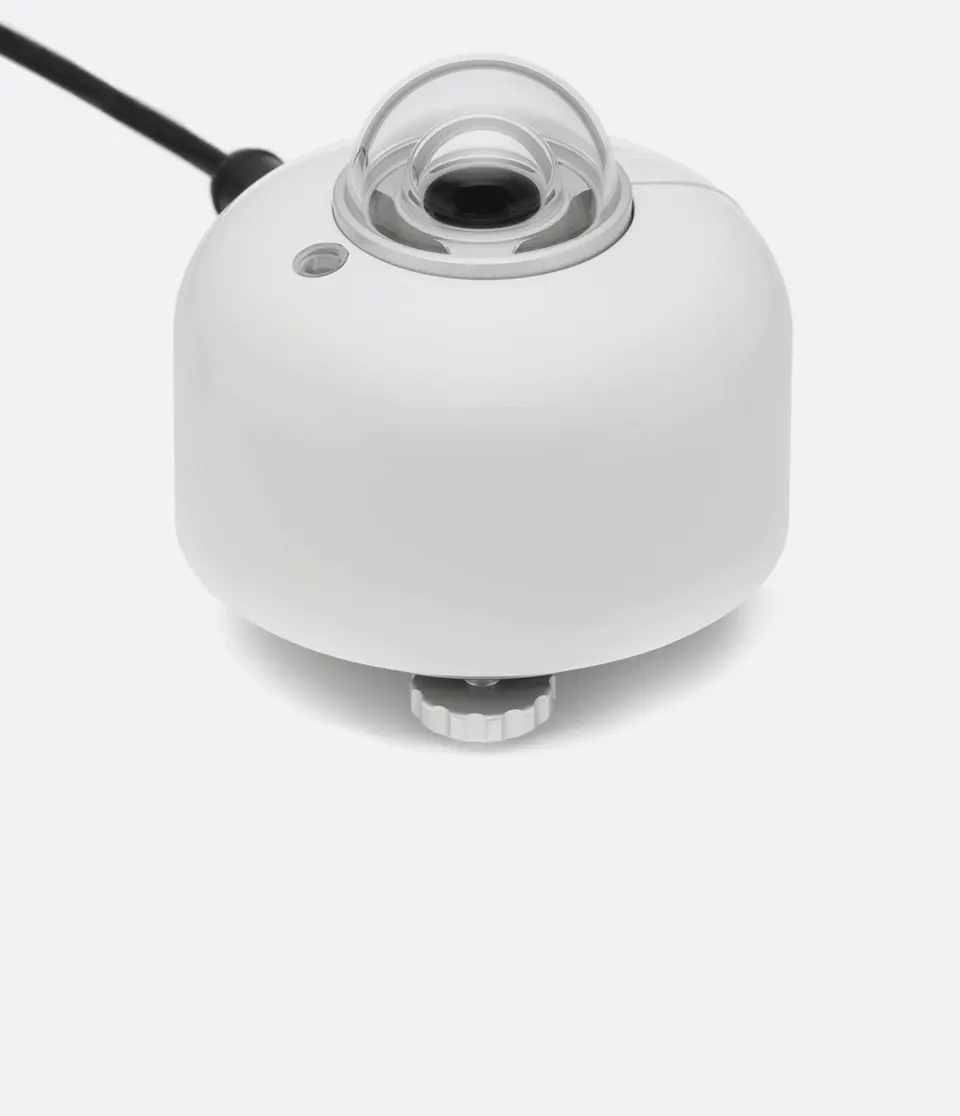
SR30:
Solar measurement in cold climates
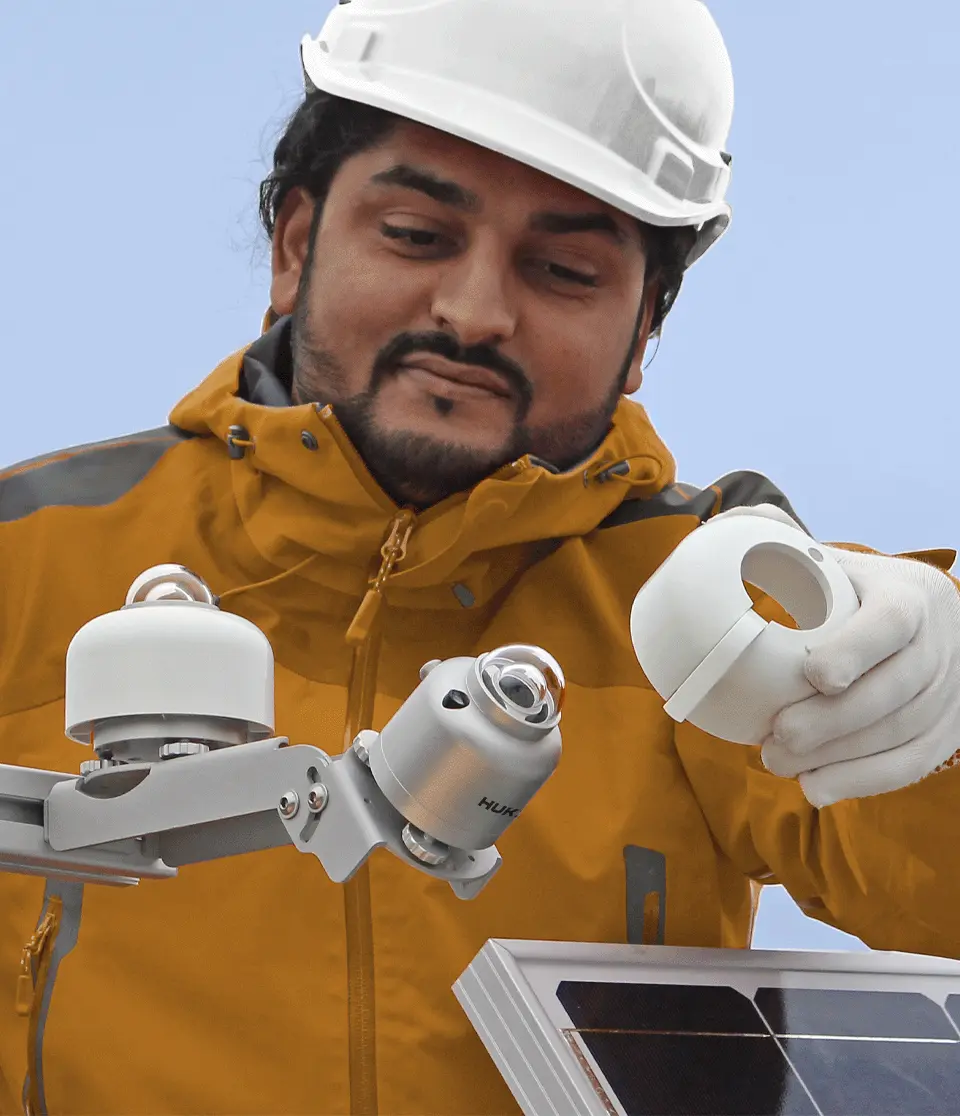
How to measure solar radiation
Measuring solar radiation, the right way
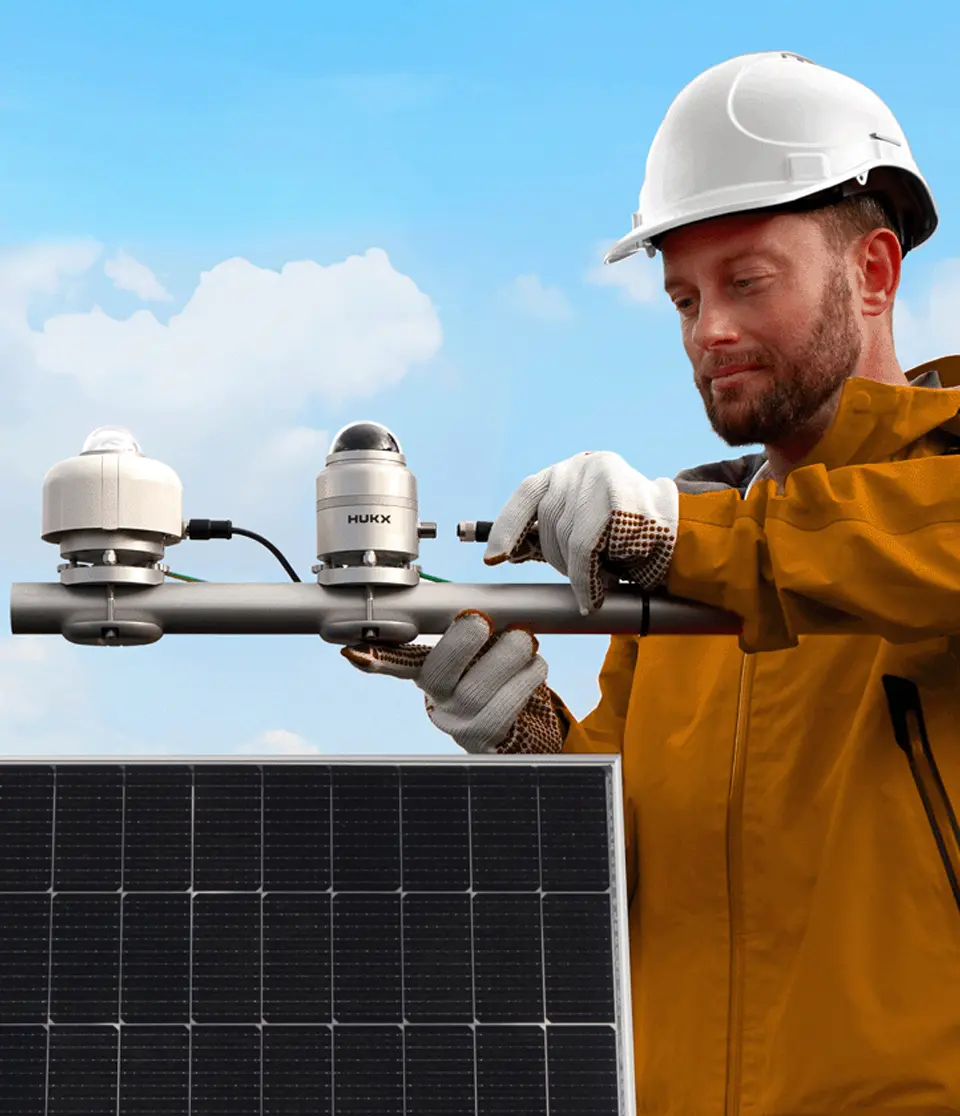
The new ISO 9060: 2018 standard
Do your pyranometers comply?
What to do against frost and dew
Quality Control for pyranometer data
What are pyranometer offsets?
Answers to basic questions about zero offsets in pyranometer signals
Pyranometer physics:
Why two domes?
Why heat pyranometers
Improve data availability and reduce zero offset errors

We like having a good technical conversation
Do you have questions, need help finding the right solution, or looking to discuss an instrument for a unique application? Our technical engineers provide expert advise. Contact us now!